Home
Strengthening Building Envelopes with Impact Door and Window Innovations
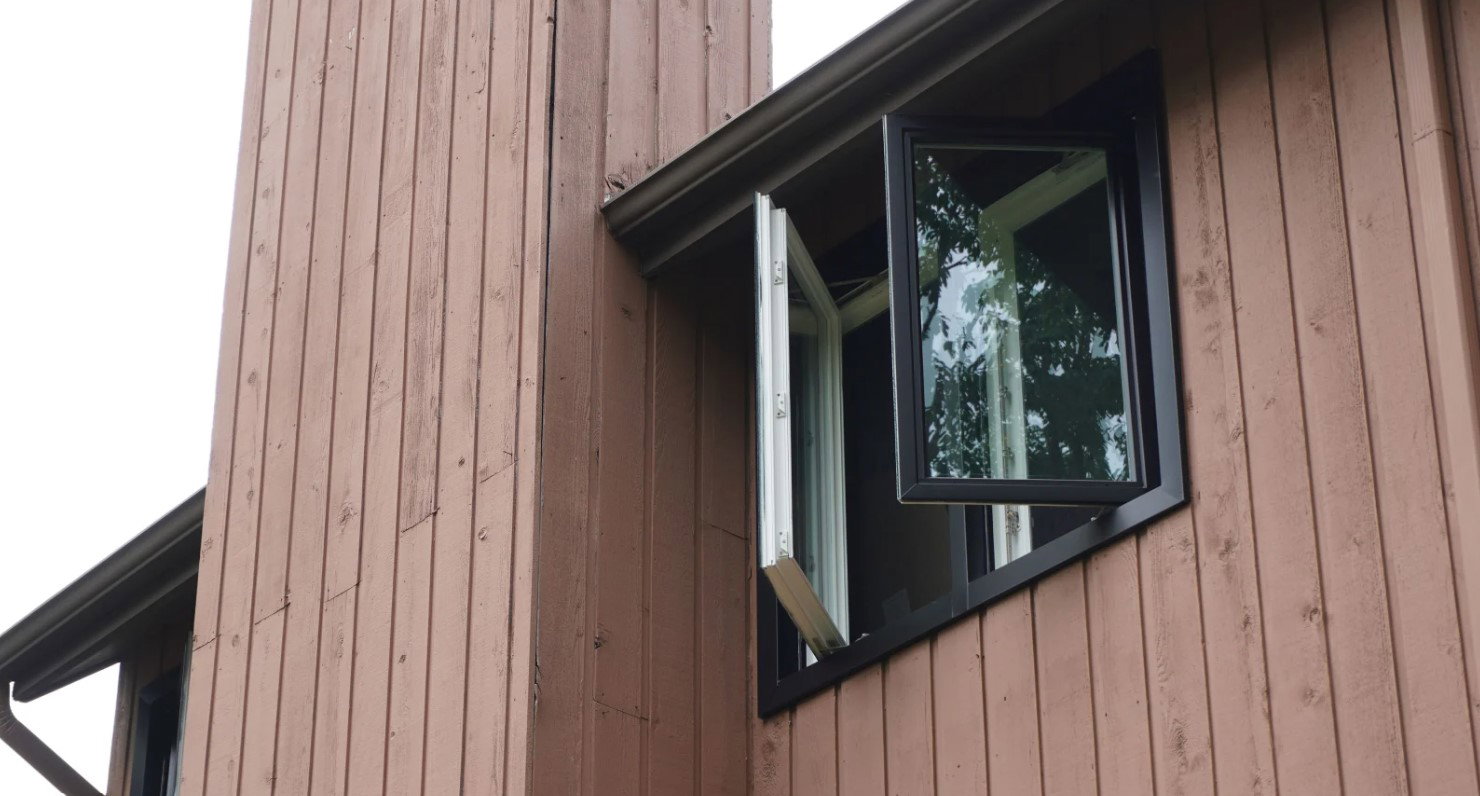
Across coastal communities and storm‑prone regions, the impact-resistant window and door industry continues to evolve with materials, testing standards, and design practices that fortify structures without sacrificing style.
Material Advances Define Modern Performance
Today’s impact systems rely on laminated glass paired with robust frames, forming a protective envelope that resists debris and extreme wind pressures. Innovations in interlayers help glass remain intact even when cracked, while reinforced vinyl, aluminum, and hybrid composite frames add rigidity and longevity. The interplay between frame geometry, fastener patterns, and sealant chemistry is as crucial as the glass itself, ensuring that the unit transfers loads to the structure without loosening over time. These refinements allow architects to specify larger openings and slimmer sightlines without compromising protection.
Testing Standards Drive Real-World Reliability
Laboratories simulate hurricane conditions using cyclic air pressure and projectile impacts. Products must withstand both sudden strikes and repeated pressure changes that mimic gusts. Equally critical is the focus on edge seals and hardware. Hinges, locks, and glazing beads are assessed for durability, because failures often occur at connection points rather than through the glass. Strict approval listings help builders compare apples to apples, verifying that a door or window will perform as designed when properly installed.
Design That Marries Resilience and Aesthetics
Gone are the days when safety compromised curb appeal. Contemporary profiles, custom finishes, and low‑profile muntins allow impact systems to complement modern, coastal, and traditional facades. Designers can specify tints, coatings, and decorative glass options that regulate heat and glare while enhancing privacy. Balanced hardware and thoughtful thresholds improve accessibility and ease of use. The result is a building envelope that looks refined while standing ready for severe weather.
Energy Efficiency and Everyday Comfort
Beyond storm seasons, laminated glass offers year‑round benefits. Advanced coatings help reduce heat gain, while tight weatherstripping and insulated frames mitigate drafts and outside noise. Over time, this contributes to more stable interior temperatures and a quieter indoor environment. When combined with shaded overhangs or strategic landscaping, impact products contribute to a holistic efficiency strategy that supports occupant comfort and long‑term value.
Installation Quality Makes the Difference
Factory engineering means little without careful field execution. Substrate preparation, plumb and level alignment, correct shimming, and proper anchoring are essential to transfer loads into the wall system. Sealant selection must match materials and local exposure, and perimeter flashing should direct water away from vulnerable planes. A well‑documented process—including checklists for fastener spacing and torque—helps ensure consistency across multiple openings in a project.
Five Practical Steps for Selecting Impact Openings
1) Confirm local code requirements and wind zone maps to define performance targets.
2) Compare approval listings to ensure products meet or exceed those targets.
3) Evaluate frame materials, hardware quality, and glass interlayers for durability in your climate.
4) Ask about installation methodology, including anchoring, flashing, and sealants suited to your structure.
5) Review maintenance guidance, such as cleaning agents and hardware lubrication, to preserve long‑term performance.
Case Scenarios and Lessons Learned
In coastal retrofits, replacing a single vulnerable entry point can dramatically improve the overall envelope by eliminating weak links. For mixed‑use buildings, ground‑floor storefront systems benefit from reinforced mullions and secure locking mechanisms that address both wind pressures and daily wear. In multifamily settings, standardizing profiles across units streamlines maintenance and ensures consistent performance. Across all scenarios, early coordination among designers, installers, and inspectors reduces rework and helps each opening achieve its rated strength.
Member Spotlight
Boca Impact Window and Door
Bay 17, 3601 N Dixie Hwy
Boca Raton, FL, 33431
561-556-4539
https://www.bocaimpactwd.com/
Homeowners and businesses seeking dependable storm protection often prioritize quality materials and expert workmanship for impact door installation. Boca Impact Window and Door delivers precisely that, providing hurricane‑rated windows and doors tailored to Florida Building Code requirements. With in‑house professionals, the team focuses on precise fits, strong anchoring, and clean finishes that enhance security and efficiency. From custom impact windows to durable entry systems and commercial storefronts, every project emphasizes resilience and curb appeal. Whether updating a coastal residence or modernizing a retail space, choosing seasoned installers for impact door installation helps ensure lasting protection, performance, and peace of mind across South Florida.
